
 edward
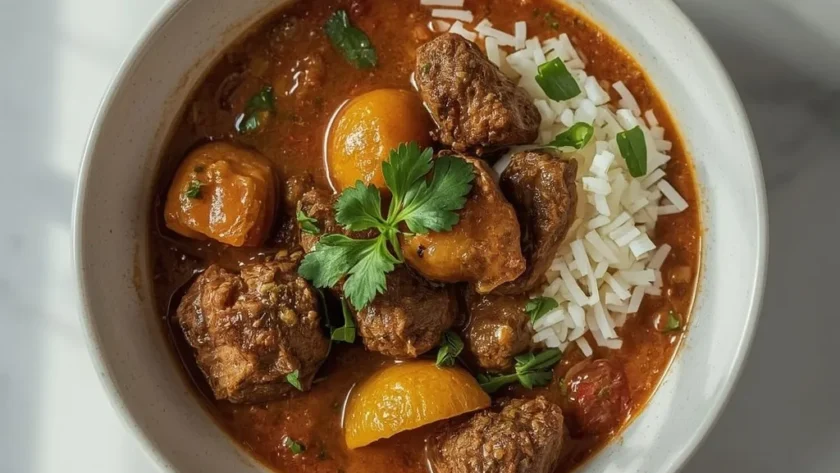
Gordon Ramsay Beef Curry is a deeply comforting British-style curry built around fork-tender beef chuck simmered in a fragrant sauce of toasted spices, tomatoes, and creamy coconut milk. The long, gentle cooking melds warm curry powder, cumin, coriander, and a whisper of cayenne into a rich, coating gravy that clings to every piece of meat.
From start to finish, you’re looking at about 2 hours and 35 minutes, though most of that is hands-off simmering. I’d rate this as an intermediate dish — the steps are straightforward, but the searing and spice toasting need close attention to get the richer taste right.
What is Gordon Ramsay Beef Curry?
It’s a stovetop braise of beef chuck slowly cooked in a spiced tomato-coconut sauce until the meat falls apart. The base starts with a well-browned sear, then layers of onion, garlic, ginger, and a toasted blend of curry powder, cumin, coriander, turmeric, and cayenne. The result is a thick, warm curry with a gentle heat, balanced by creamy coconut and a bright squeeze of lemon at the end. This is the kind of dish you make on a cold Sunday when you want something hearty and aromatic on the table.
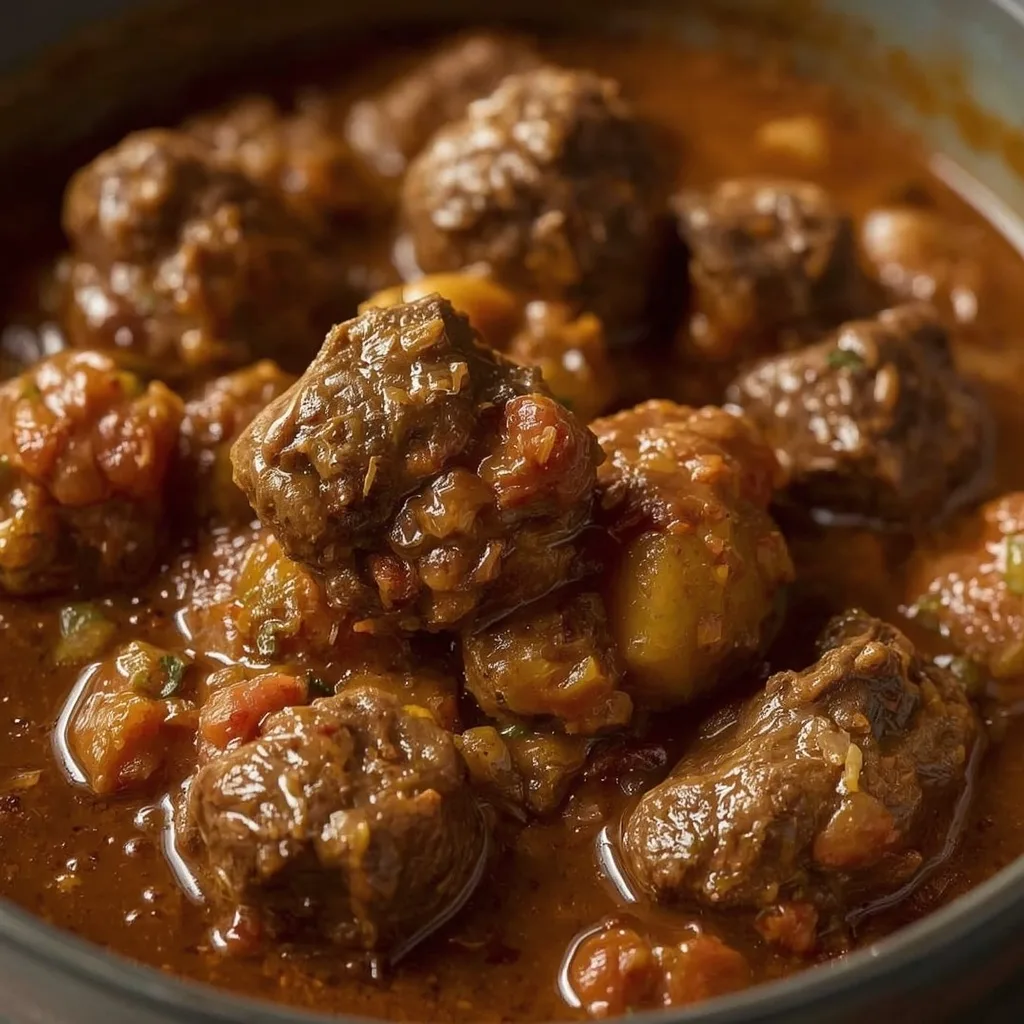
My Honest Review of Gordon Ramsay Beef Curry
Here’s how it went when I made this at home.
- Taste — The curry has a rounded, warm spice flavour from the toasted powders, not fiery but with a gentle cayenne kick. The coconut milk adds a creamy richness, and the tomatoes add just enough tang. On day two, the flavour deepens even more.
- Texture — The beef turns spoon-tender after the long braise, and the sauce reduces to a thick, clinging consistency that coats each piece. A little resting time at the end helps it set up perfectly.
- Difficulty — I’d call this intermediate. The technique isn’t hard, but searing in batches, toasting the spices without burning, and monitoring the simmer so the sauce doesn’t over-reduce require a watchful eye.
- Would I Make It Again? — Yes, without hesitation. It’s a reliable weekend project that yields big flavour, and leftovers taste even better. The long simmer means I plan for it, but the effort is mostly hands-off.
- Overall Rating — 4.5/5. The one drawback is the simmer time — about 2 hours of periodic stirring can feel a bit tedious. Also, if the heat creeps too high the sauce thickens before the meat is fully tender, so you have to babysit the bubbles. If you keep the flame low and steady, it’s a knockout.
Ingredients Needed for Gordon Ramsay Beef Curry
Everything on this list does a specific job. Here’s what you’ll need, grouped by purpose.
For the Beef and Aromatics
- 2 pounds beef chuck, cut into 1-inch cubes — well-marbled chuck turns butter-soft with long cooking. Trim any large hard bits of fat but leave the fine marbling.
- 2 tablespoons vegetable oil — a neutral, high-smoke-point oil for searing. You need a good hot surface to build a dark fond.
- 2 medium onions, finely diced (about 2 cups) — the onions break down into the sauce, adding sweetness and body. Dice them small so they melt away.
- 4 garlic cloves, minced — fresh garlic works best here. Pre-minced jarred garlic can taste flat.
- 1 tablespoon fresh ginger, finely grated — use a microplane or the smallest holes on a box grater. Ginger brightens the whole pot.
Spice Blend
- 2 tablespoons curry powder — any decent mild or medium curry powder will do. This is the backbone of the dish.
- 1 teaspoon ground cumin — adds earthy warmth. Freshly ground if you can, but pre-ground is fine.
- 1 teaspoon ground coriander — brings a light, citrusy note that lifts the heavier spices.
- 1/2 teaspoon ground turmeric — for colour and a subtle peppery undertone.
- 1/4 teaspoon cayenne pepper — a whisper of heat. Increase to 1/2 teaspoon if you like more fire.
Liquids and Seasonings
- 1 (14-ounce) can diced tomatoes, undrained — the tang balances the richness. Do not drain the juices; you need them for the sauce.
- 2 cups low-sodium beef stock — controls salt and deepens the savoury base. Chicken stock works in a pinch.
- 1 (13.5-ounce) can full-fat coconut milk — full-fat is non-negotiable here. Light coconut milk makes a watery, thin sauce.
- 1 teaspoon kosher salt, plus more to taste — the sauce needs enough salt to make all the spices pop.
- 1 teaspoon granulated sugar — just a bit to round the edges, not to sweeten. It balances the tomato tang.
- Juice of 1/2 lemon — added at the end, it wakes everything up. A splash of vinegar works in a pinch.
- 1/4 cup fresh cilantro, chopped, divided — half stirred in for freshness, half for garnish. Skip it if you hate cilantro.
For Serving
- Cooked basmati rice or warm naan — a fluffy bed of rice soaks up the sauce, and warm naan is perfect for scooping.
Kitchen Equipment You’ll Need
- Large heavy-bottomed pot or Dutch oven — the heavy base distributes heat evenly for the long simmer. A thin pot will scorch the bottom.
- Wooden spoon — essential for scraping up browned bits and stirring without scratching your pot.
- Paper towels — patting the beef dry before searing makes a huge difference in browning.
- Tongs — turning beef cubes in hot oil is much easier and safer with a good pair of tongs.
- Microplane or fine grater — for mincing ginger and garlic into a paste that disappears into the sauce.
How to Make Gordon Ramsay Beef Curry
Give yourself a little mise en place time — once the spice toasting starts, things move quickly. Here are the steps I followed.
- Sear the beef in batches — Pat the cubes very dry, season with salt and pepper, then brown them in hot oil in a heavy pot over medium-high heat. Work in two batches to avoid steaming; each side needs about 3 to 4 minutes for a deep crust. Transfer the meat to a plate and leave the browned fond behind.
- Cook the aromatics — Drop the heat to medium. Add the diced onions with a pinch of salt and cook until soft and translucent, 5 to 7 minutes. If the pan looks dry, add a tablespoon of water. Stir in the garlic and ginger and cook just until fragrant, about 1 minute — don’t let them brown.
- Toast the spices — Sprinkle the curry powder, cumin, coriander, turmeric, and cayenne over the onion mixture. Stir constantly for 1 minute. The pan will look dry and smell intensely aromatic; add a splash of water if it starts to stick to the bottom.
- Deglaze with tomatoes — Pour in the diced tomatoes with their juice, scraping every bit of fond off the bottom. Let the tomatoes bubble and reduce for 2 to 3 minutes until the liquid thickens and the raw tomato smell mellows.
- Build the braising liquid — Return the seared beef and any juices to the pot. Add the beef stock, coconut milk, 1 teaspoon salt, and the sugar. Stir, then bring just to a boil over high heat.
- Simmer low and slow — Immediately reduce the heat to low so the surface barely quivers with gentle bubbles. Partially cover with a lid, leaving a 1-inch gap for steam to escape. Simmer for 1 hour 45 minutes to 2 hours, stirring every 20 minutes. The beef is done when a fork slides through with no resistance and the sauce is thick and spoon-coating. If the sauce thickens too fast before the meat is tender, add a splash of water. If the meat is tender but the sauce is thin, uncover, raise the heat slightly, and simmer 10 to 15 minutes to reduce.
- Adjust the seasoning — Remove the pot from the heat. Taste and add more salt if the flavours feel flat. Squeeze in the lemon juice, stir in half the cilantro, and add a pinch more sugar or cayenne if the balance needs tweaking.
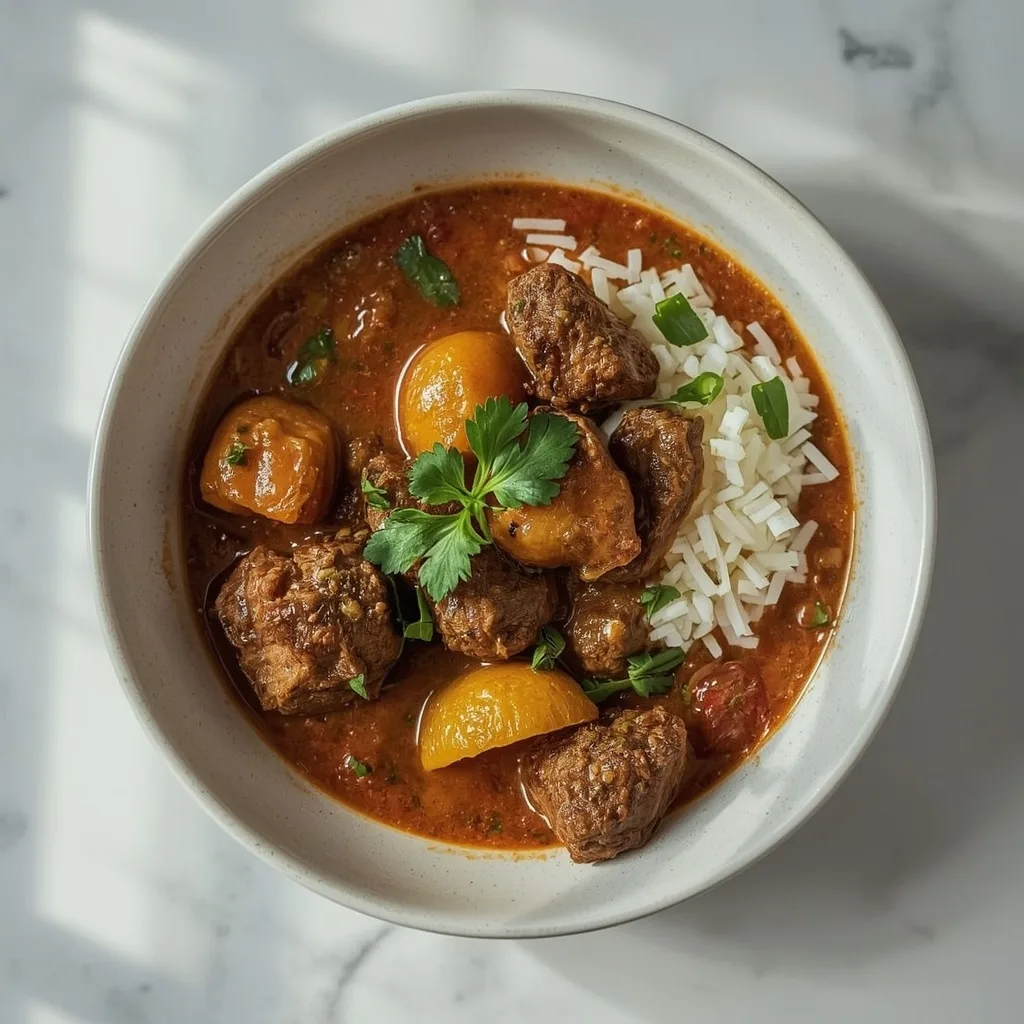
- Rest before serving — Cover and let the curry stand for 5 to 10 minutes. The sauce continues to thicken and all the flavours settle. Garnish with the remaining cilantro and serve hot over rice or with naan.
Common Mistakes to Avoid
These are the slip-ups that can water down a great pot of curry.
- Skipping the sear — That dark crust on the beef is pure flavour. Rushing this step leaves the dish pale and flat. Give each batch the full 3 to 4 minutes per side.
- Not patting the beef dry — Wet meat steams instead of browning. Use paper towels to blot every cube before it hits the pan.
- Rushing the onion stage — Undercooked onions won’t dissolve into the sauce, leaving a raw bite. Let them cook until truly soft and translucent.
- Burning the spices during toasting — A full minute on high heat can turn them bitter. Keep the pan on medium, stir nonstop, and add a splash of water if they start sticking.
- Boiling instead of simmering — A hard boil makes the beef seize up and turn tough. The surface should barely quiver, with tiny lazy bubbles.
- Forgetting the final seasoning check — Without that last squeeze of lemon and a pinch of salt or sugar, the dish can taste a little one-note. Always taste and tweak at the end.
What Goes Well With Gordon Ramsay Beef Curry
The curry is a meal on its own, but these sides turn it into a proper spread.
- Steamed basmati rice — Fluffy, fragrant rice soaks up every bit of the sauce without competing for attention.
- Warm naan bread — Tear off pieces and scoop the beef and gravy straight from the bowl. Lightly brush with butter if you want a little more richness.
- Cool Greek yogurt dollop — A spoonful right on top cools the gentle heat and adds a creamy tang.
- Crisp cucumber raita — Grated cucumber mixed with yogurt, a pinch of cumin, and salt makes a refreshing contrast.
- Pickled red onions — Their sharp bite balances the richness and wakes up each bite.
- A cold lager or pale ale — The light bitterness pairs beautifully with the warm spice and coconut.
Expert Tips for the Best Gordon Ramsay Beef Curry
Small tweaks that make a noticeable difference.
- Cube the beef uniformly — Cutting 1-inch cubes ensures every piece cooks at the same rate. Odd-sized pieces mean some are tough while others are overdone.
- Toast the spices properly — The one-minute toast in a dryish pan unlocks oils that deliver a deeper, warmer flavour. Don’t skip it and don’t let them blacken.
- Use full-fat coconut milk only — Light versions split under long heat and leave a thin sauce. The fat is what gives the gravy its body.
- Stir every 20 minutes — This prevents the bottom from catching and lets you check the liquid level. Set a timer so you don’t forget.
- Let it rest covered — The 5 to 10 minute rest off heat thickens the sauce and melds the flavours. It’s hard to wait, but worth it.
- Adjust salt after the lemon juice — Acid can mask saltiness, so always add the lemon first, then taste, then add salt if needed.
- Make it a day ahead — The flavours deepen noticeably overnight. Just undercook the beef by a few minutes if you plan to reheat the next day.
Easy Variations to Try
Once you’ve made the base recipe, these swaps keep it interesting.
- Swap beef for lamb shoulder — Lamb takes the same braising time and pairs brilliantly with the warm spices. Cut into similar 1-inch chunks.
- Add diced potatoes — Toss in 2 peeled, cubed potatoes during the last 40 minutes of simmering. They soak up the sauce and make the dish even heartier.
- Turn up the heat — Double the cayenne or add a chopped fresh green chili with the garlic and ginger for a spicier version.
- Make it dairy-free creamier — Nothing needed beyond the coconut milk, but if you want ultra-rich, stir in a spoonful of coconut cream at the very end.
- Try a chicken version — Use boneless, skinless chicken thighs and simmer only 30 to 40 minutes. The sauce is just as good with a shorter cook time.
- Go extra tomatoey — Stir in a tablespoon of tomato paste after the spices and cook for 30 seconds before adding the canned tomatoes. It deepens the tang.
How to Store Leftover Gordon Ramsay Beef Curry
- Refrigerator — Cool completely, then store in an airtight container for up to 3 days. The flavour gets better on day two.
- Freezer — Freeze cooled curry in a freezer-safe container for up to 3 months. Thaw overnight in the fridge before reheating.
- Portioning — For quick single servings, freeze in individual airtight bags laid flat. They thaw faster and stack neatly.
- Sauce thickening on standing — The sauce will thicken as it chills. Add a splash of water or stock when reheating to loosen it back up.
Can You Freeze It?
Yes, this curry freezes very well. The texture of the beef stays tender, though the coconut milk can separate slightly — a gentle stir while reheating brings it right back together. The spice flavour remains strong, so you won’t lose any of that warmth after freezing.
Best Way to Reheat
Warm the curry gently in a saucepan over medium-low heat, stirring often and adding a tablespoon or two of water or beef stock if the sauce is too thick. Avoid a hard boil, which can toughen the meat. If using a microwave, cover loosely and heat in 30-second bursts, stirring between each, just until hot.
Nutrition Facts (Per Serving)
Based on 1 serving out of 4 total.
- Calories — about 857
- Protein — 53g
- Fat — around 63g
- Carbohydrates — 20g
- Fiber — 2g
- Sugar — roughly 8g
- Sodium — 550mg
FAQs
Can I make Gordon Ramsay Beef Curry in a slow cooker?
Yes, you can. Brown the beef and aromatics on the stovetop first, then transfer everything to a slow cooker after adding the liquids. Cook on low for 6 to 8 hours until the beef is fork-tender, though the sauce won’t reduce as much, so you may need to simmer it uncovered on the stovetop for 10 to 15 minutes before serving.
What can I substitute for coconut milk in Gordon Ramsay Beef Curry?
Full-fat coconut milk is a key player here, and replacing it will change the dish. If you must, heavy cream or a mix of Greek yogurt and a little milk can work, but the sauce will be less rich and lose that subtle coconut sweetness. The finished curry won’t be quite the same, but it’ll still be hearty.
How long does leftover Gordon Ramsay Beef Curry last in the fridge?
Stored in an airtight container, it keeps well for up to 3 days. The beef stays tender, and the flavours actually improve on the second day as the spices meld further.
Is Gordon Ramsay Beef Curry spicy?
It has a gentle, warming heat from a quarter teaspoon of cayenne and the curry powder blend. It won’t blow your head off. If you’re sensitive to spice, reduce the cayenne to a pinch; if you like more fire, double it or add a fresh chili.
Can I use a cheaper cut of beef?
Chuck is already an affordable cut, but you can also use brisket or short ribs. Stay away from lean cuts like sirloin or round, as they dry out and stay tough even after a long simmer. The dish needs well-marbled meat with connective tissue that breaks down over low heat.
Why does my sauce look split?
Coconut milk can separate if boiled too vigorously or simmered at too high a heat. Keep the pot at a bare quiver and stir every 20 minutes to keep the sauce smooth. If it does split, a spoonful of cold water and a brisk stir can often bring it back together.
Gordon Ramsay Beef Curry is a rich, slow-simmered dish that rewards patience with impossibly tender beef and a sauce you’ll want to mop up with naan or rice. It’s the kind of meal that fills the kitchen with a deep, warm aroma and tastes even better the next day, making it a solid choice for a weekend cook with built-in leftovers.
PrintGordon Ramsay Beef Curry
A deeply flavorful, British-style curry featuring fork-tender beef chuck slowly simmered in a rich, aromatic sauce made with toasted spices, tomatoes, and creamy coconut milk. The sauce reduces to a velvety, coating consistency that clings to every piece of beef, delivering warmth and complexity in every bite.
- Prep Time: 20
- Cook Time: 135
- Total Time: 155
- Yield: 4 1x
- Category: Main Course
- Method: Stovetop
- Cuisine: British
Ingredients
- 2 pounds beef chuck, cut into 1-inch cubes
- 2 tablespoons vegetable oil
- 2 medium onions, finely diced (about 2 cups)
- 4 garlic cloves, minced
- 1 tablespoon fresh ginger, finely grated
- 2 tablespoons curry powder
- 1 teaspoon ground cumin
- 1 teaspoon ground coriander
- 1/2 teaspoon ground turmeric
- 1/4 teaspoon cayenne pepper
- 1 (14-ounce) can diced tomatoes, undrained
- 2 cups low-sodium beef stock
- 1 (13.5-ounce) can full-fat coconut milk
- 1 teaspoon kosher salt, plus more to taste
- 1 teaspoon granulated sugar
- Juice of 1/2 lemon
- 1/4 cup fresh cilantro, chopped, divided
- Cooked basmati rice or warm naan, for serving
Instructions
- Pat the beef cubes dry with paper towels and season generously with kosher salt and black pepper. Heat the oil in a large heavy-bottomed pot or Dutch oven over medium-high heat. Working in two batches to avoid crowding, sear the beef until deeply browned on all sides, about 3 to 4 minutes per side. Transfer each batch to a plate and set aside, leaving the browned fond in the pot.
- Reduce the heat to medium. Add the diced onions with a pinch of salt and cook, stirring occasionally, until softened and translucent, 5 to 7 minutes. If the pan becomes too dry, add a tablespoon of water to help the onions release their moisture. Stir in the garlic and ginger, cooking for 1 minute until highly fragrant but not browned.
- Sprinkle the curry powder, cumin, coriander, turmeric, and cayenne over the onion mixture. Stir constantly and toast the spices for 1 minute to awaken their essential oils and deepen their flavor. The mixture will appear dry and intensely aromatic; add a splash of water if it starts to stick.
- Pour in the diced tomatoes with their juice, scraping the bottom of the pot with a wooden spoon to lift every bit of browned fond. Allow the tomatoes to bubble and reduce slightly, about 2 to 3 minutes, until the liquid thickens and the raw tomato smell mellows.
- Return the beef and any accumulated juices to the pot. Add the beef stock, coconut milk, 1 teaspoon salt, and sugar. Stir to combine, then increase the heat to high just until the liquid reaches a boil. Immediately reduce the heat to low so the surface barely quivers with gentle bubbles. Partially cover with a lid, leaving a 1-inch gap for steam to escape, and simmer for 1 hour 45 minutes to 2 hours, stirring every 20 minutes. The beef is done when a fork pierces a cube with no resistance and the sauce has reduced to a thick, spoon-coating gravy. If the sauce thickens too quickly before the meat is tender, add a splash of water; if the beef is tender but the sauce is too thin, remove the lid, raise the heat slightly, and simmer uncovered for 10 to 15 minutes until it reaches the desired consistency.
- Alternative oven method: After adding the liquids, bring the mixture to a boil on the stovetop, then cover the pot with a tight-fitting lid and transfer to a 325°F (163°C) oven. Braise for 2 to 2 1/2 hours, checking after 1 1/2 hours to ensure the liquid hasn’t evaporated below the beef level. Add more stock if needed. The beef should be fork-tender with the sauce lightly bubbling around the edges.
- Remove the pot from the heat. Taste the curry and adjust the seasoning: add more salt if the flavors taste flat, a squeeze of lemon juice to brighten, and a pinch more sugar or cayenne to balance acidity and heat to your preference. Stir in half of the chopped cilantro.
- Let the curry stand covered for 5 to 10 minutes. During this resting period, the sauce will continue to thicken and the flavors will meld. Garnish with the remaining cilantro and serve hot over steamed basmati rice or with warm naan bread, plus a cooling dollop of full-fat Greek yogurt if desired.
Notes
Store cooled leftovers in an airtight container in the refrigerator for up to 3 days; the flavor improves noticeably on the second day. To reheat, warm gently in a saucepan over medium-low heat, adding a splash of water or stock if the sauce has thickened too much. This curry freezes well for up to 3 months. Thaw overnight in the refrigerator and reheat as directed. For a thicker sauce without additional simmering, mix 1 tablespoon of cornstarch with 2 tablespoons of cold water, stir into the simmering curry, and cook for 2 minutes until glossy.
Nutrition
- Calories: 857
- Sugar: 8g
- Sodium: 550mg
- Fat: 63g
- Saturated Fat: 38g
- Carbohydrates: 20g
- Fiber: 2g
- Protein: 53g
- Cholesterol: 182mg
Keywords: gordon ramsay beef curry, beef curry, British curry, coconut curry, slow simmered beef, curry recipe, Indian spiced beef, comforting curry, stovetop curry, dinner ideas