Gordon Ramsay Chicken Liver Pâté
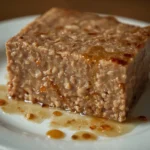
A silky-smooth, intensely flavorful pâté made with chicken livers, shallots, garlic, fresh thyme, and a generous splash of brandy, finished with butter for a luxurious shine. Perfect as an elegant appetizer or a decadent spread for crostini, this classic French-style pâté delivers rich, savory notes with a velvety texture that melts on the tongue.
- Prep Time: 15
- Cook Time: 12
- Total Time: 27
- Yield: 4 1x
- Category: Appetizer
- Method: Stovetop
- Cuisine: French
Ingredients
- 1 lb (450g) fresh chicken livers, trimmed of connective tissue
- 3/4 cup whole milk, for soaking
- 4 tbsp unsalted butter, divided (2 tbsp for cooking, 2 tbsp melted for finishing)
- 1/2 cup shallots, finely diced (about 2 medium shallots)
- 2 cloves garlic, minced
- 1 tsp fresh thyme leaves, chopped (plus extra for garnish)
- 1/4 cup brandy or Cognac
- 1/2 tsp kosher salt, plus more to taste
- 1/4 tsp freshly ground black pepper, plus more to taste
- 2 tbsp heavy cream (optional, for extra silkiness)
- Flaky sea salt, for garnish (optional)
Instructions
- Place the trimmed chicken livers in a medium bowl and cover with the whole milk. Let soak for 10 minutes. This step mellows any bitter or metallic notes, producing a cleaner, more delicate flavor. While the livers soak, finely dice the shallots and mince the garlic.
- Drain the livers in a colander and pat them thoroughly dry with paper towels. Removing excess moisture is crucial — if the livers are wet, they will steam instead of searing, resulting in a less concentrated, grayish pâté. Season both sides with the 1/2 tsp kosher salt and 1/4 tsp black pepper.
- Heat a 10-inch skillet over medium-high heat and add 1 tbsp of the butter. Swirl the pan until the butter foams and then begins to brown slightly, about 1 minute. The nutty aroma signals the pan is hot enough for a proper sear.
- Carefully lay the chicken livers in the skillet in a single layer, making sure not to overcrowd the pan. If needed, work in two batches. Let them sear undisturbed for 2 minutes until deeply browned and a crust forms. This caramelization adds a rich, roasted flavor that is the backbone of the pâté.
- Flip the livers and sear the other side for 1 to 2 minutes. The centers should remain slightly pink — aim for an internal temperature of 140°F / 60°C, as the livers will continue to cook slightly when blended. Overcooking makes the pâté grainy and dry. Transfer the seared livers to a plate and set aside.
- Reduce the heat to medium and add the remaining 1 tbsp butter to the same skillet. Add the diced shallots and cook, stirring frequently, for 2 to 3 minutes until softened and translucent. Scrape up any browned bits from the bottom of the pan — this builds flavor into the base.
- Add the minced garlic and thyme to the skillet and cook for 30 seconds until fragrant. Stir constantly to prevent the garlic from burning, which would introduce a bitter note to the pâté.
- Pour the brandy into the skillet, standing back as it may flambe. Allow it to bubble and reduce by half, about 1 to 2 minutes. This deglazes the pan, dissolving all the flavorful crust into the sauce. The alcohol cooks off, leaving behind a sweet, complex depth.
- Return the seared chicken livers to the skillet, along with any juices that collected on the plate. Add the heavy cream, if using. Stir everything together and cook for 1 minute, just until the livers are coated and heated through. Remove from heat.
- Transfer the entire contents of the skillet — livers, shallots, and all the pan sauce — to a food processor. Blend on high for 2 minutes, stopping to scrape down the sides once, until the mixture is completely smooth and glossy. If you prefer a finer texture, push the purée through a fine-mesh strainer using a spatula.
- Taste the pâté and adjust seasoning with additional salt and pepper. Because the pâté is served chilled, slightly overseason now, as cold muffles flavor. Process briefly once more to incorporate any adjustments.
- Spoon the warm pâté into a serving dish, ramekins, or a small terrine. Smooth the top with a spatula, then immediately pour the remaining 2 tbsp melted butter over the surface, tilting to cover completely. This butter seal prevents oxidation and adds a luxurious finish.
- Sprinkle with a few fresh thyme leaves and flaky sea salt, if desired. Refrigerate for at least 2 hours, or until fully chilled and set. The resting time allows the flavors to meld and the pâté to firm up to the perfect spreading consistency.
- Serve chilled or slightly at room temperature with toasted baguette slices, crostini, cornichons, and a dollop of Dijon mustard for contrast. Store leftovers in the refrigerator for up to 4 days.
Notes
Storage: Keep the pâté covered in the refrigerator for up to 4 days. The butter layer acts as a preservative, so leave it intact. Freezing: Freeze the pâté (without the butter topping, or with it) in an airtight container for up to 2 months. Thaw overnight in the refrigerator. Reheating: This pâté is best served cold or at room temperature. Do not reheat, as it will melt and become oily. If the pâté has been refrigerated, let it sit at room temperature for 10-15 minutes before serving to soften slightly for spreading. The butter top can be scraped off and replaced with fresh butter after freezing for the best presentation.
Nutrition
- Calories: 298
- Sugar: 2g
- Sodium: 340mg
- Saturated Fat: 11g
- Carbohydrates: 5g
- Fiber: 0g
- Protein: 20g
- Cholesterol: 440mg
Keywords: chicken liver pâté, Gordon Ramsay pâté, French pâté, chicken liver recipe, brandy pâté, appetizer, starter, crostini topping, liver spread, gourmet appetizer, restaurant-style pâté, easy pâté
Find it online: https://gordonramsaydishes.uk/gordon-ramsay-chicken-liver-pate/