 edward
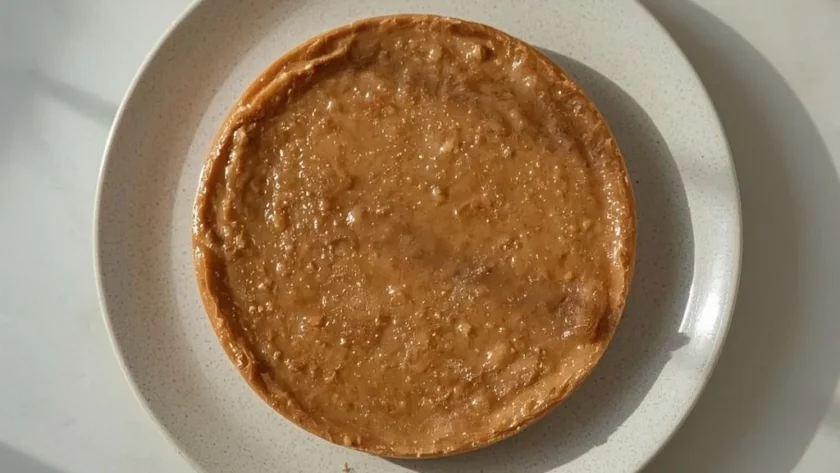
Gordon Ramsay Chicken Liver Pâté is the kind of recipe that turns a simple appetizer into something genuinely special. Silky chicken livers meet sweet shallots, garlic, fresh thyme, and a splash of brandy, all finished with a glossy butter topping. It tastes rich, savory, and surprisingly elegant for something that comes together in under half an hour.
This recipe takes 27 minutes total, serves four, and sits comfortably at intermediate level — mostly because getting the sear right on the livers takes a little focus. It’s perfect for dinner parties, holiday starters, or any evening you want to impress without standing in the kitchen for hours. The only tricky bit is avoiding overcooking the livers; they need to stay slightly pink inside.
What is Gordon Ramsay Chicken Liver Pâté?
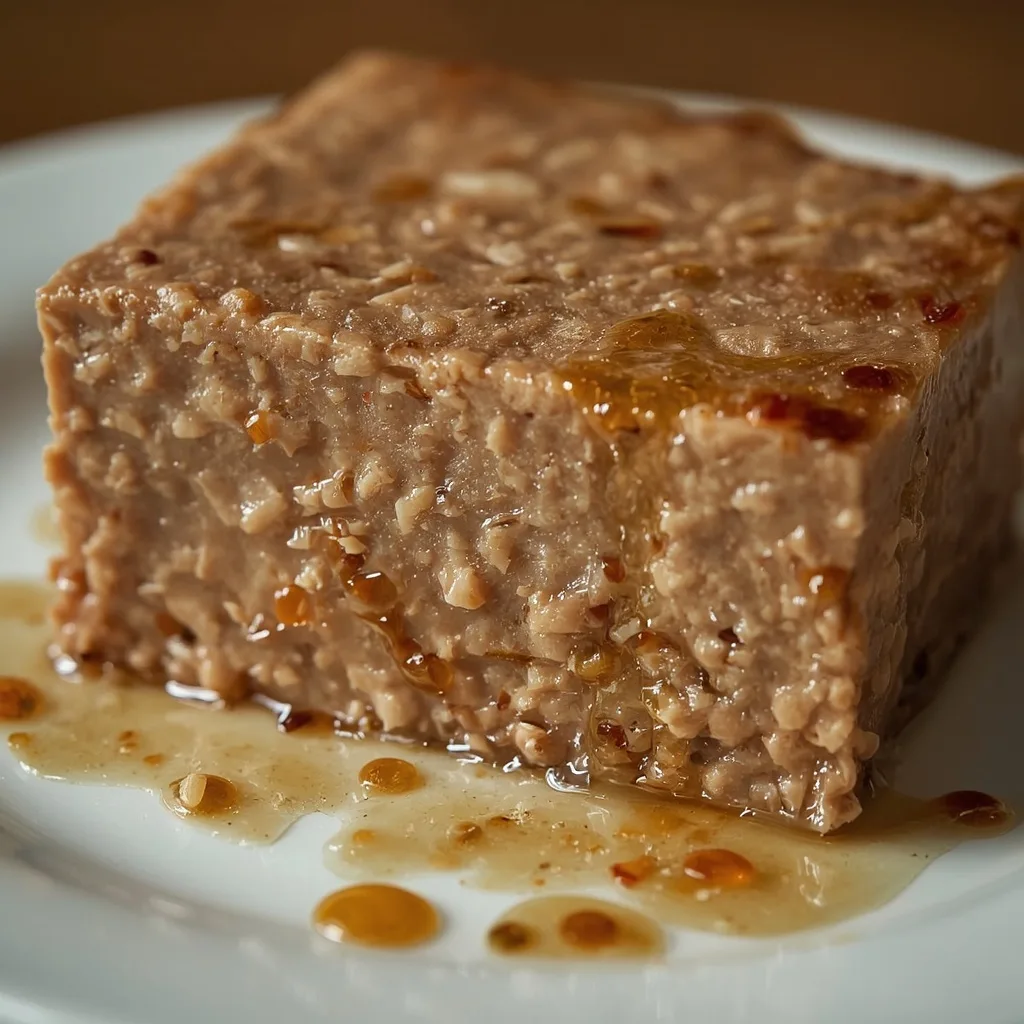
This dish is a classic French-style pâté made by searing fresh chicken livers in butter, building a pan sauce with shallots, garlic, thyme, and brandy, then blending everything until completely smooth. The result is a velvety, intensely flavorful spread that melts on your tongue. It carries deep roasted notes from the sear, a subtle sweetness from the shallots and brandy, and a luxurious richness from the butter finish. Serve it chilled with crostini or toasted baguette slices.
My Honest Review of Gordon Ramsay Chicken Liver Pâté
I made this on a quiet Sunday afternoon, and honestly, I was surprised by how straightforward it was. The flavor payoff is massive for the effort involved, though you do need to pay attention during the searing step.
Taste
The brandy comes through beautifully — sweet, warm, and complex without being boozy. The shallots add a gentle onion sweetness, while the thyme keeps everything grounded and herbal. I did find it needed a touch more salt than the recipe suggests; chilling really does mute the seasoning.
Texture
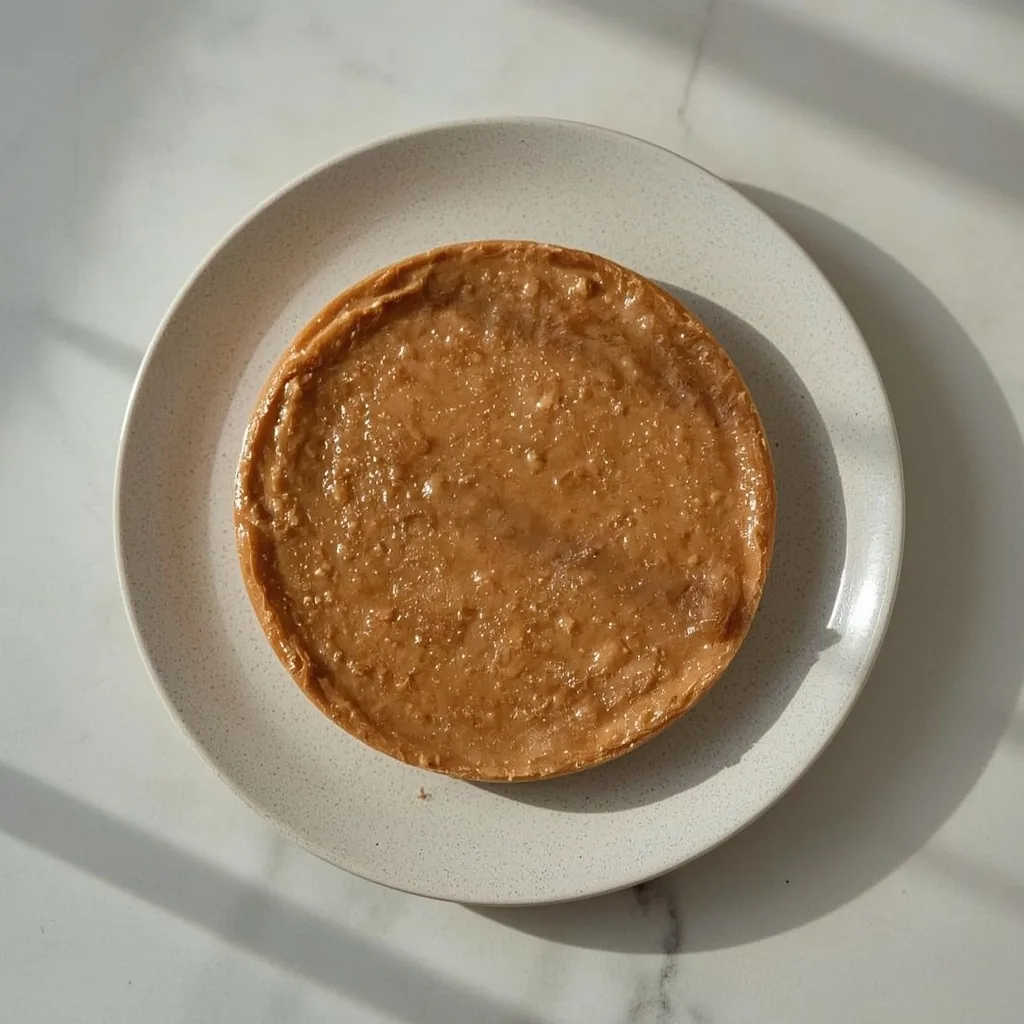
This is where the recipe shines. Two full minutes in the food processor gives you a texture that’s genuinely silky — smooth, spreadable, and luxurious. The melted butter topping sets into a thin, waxy seal that adds a lovely richness to each bite.
Difficulty
I’d call this intermediate. The steps themselves aren’t complicated, but the timing matters. Sear the livers too long and the pâté turns grainy; blend them too little and you get a coarse texture. The brandy flambé also catches people off guard the first time.
Would I Make It Again?
Yes, absolutely — but I’d double the recipe next time. It disappears fast. The only tweak I’d make is adding the heavy cream even when I think I don’t need it; that extra silkiness is worth it.
Overall Rating
4.5/5 — the flavor and texture are exceptional, but the window between perfectly seared and slightly overcooked livers is narrow enough that I wouldn’t hand this to a complete beginner.
Ingredients Needed for Gordon Ramsay Chicken Liver Pâté
Everything on this list is easy to find at a standard grocery store. Quality matters most with the livers and the butter.
Main Ingredients
- 1 lb (450g) fresh chicken livers — Look for livers that are deep reddish-brown with no dark spots. They should smell clean and mild, not metallic. Trim any green spots or connective tissue before starting.
- 3/4 cup whole milk — This is for soaking the livers. Whole milk works best because the fat helps mellow bitter notes. You can use a plant-based milk in a pinch, but it won’t work quite as well.
Aromatics and Seasoning
- 4 tbsp unsalted butter, divided — Two tablespoons cook the livers, and two get melted for the topping. Use good-quality European butter if you can; the difference in flavor is noticeable.
- 1/2 cup shallots, finely diced — About two medium shallots. They cook down quickly, so a fine dice ensures they soften before the garlic goes in.
- 2 cloves garlic, minced — Fresh garlic only; the pre-minced stuff in jars won’t give the same clean, sharp flavor.
- 1 tsp fresh thyme leaves, chopped — Fresh is essential here. Dried thyme has a different, more muted flavor that won’t work as well.
Wet Ingredients and Finishing
- 1/4 cup brandy or Cognac — The brandy deglazes the pan and adds a sweet, complex depth. It will flambé when it hits the hot pan, so stand back.
- 1/2 tsp kosher salt — You’ll likely need more at the end. Kosher salt has larger flakes than table salt, so don’t substitute one for one.
- 1/4 tsp freshly ground black pepper — Fresh ground matters. Pre-ground pepper has a flat, dusty taste.
- 2 tbsp heavy cream (optional) — This pushes the texture from smooth to truly velvety. It’s worth using if you have it on hand.
- Flaky sea salt, for garnish — Maldon or similar. The crunchy texture against the smooth pâté is a lovely contrast.
Kitchen Equipment You’ll Need
You won’t need much, but each piece plays a role in getting the texture and flavor right.
- 10-inch skillet — A heavy stainless steel or cast iron pan works best for even browning. Nonstick will work but won’t give you the same crust on the livers.
- Food processor — This is non-negotiable. You need the high-speed blades to get that silky texture; a blender won’t work as well.
- Colander — For draining the milk-soaked livers. Any standard colander works fine.
- Paper towels — Plenty of them. The livers need to be thoroughly dried before searing, or they’ll steam instead of brown.
- Fine-mesh strainer — Optional but helpful if you want an extra-smooth pâté. It catches any remaining bits of connective tissue.
- Serving dish or ramekins — You’ll spoon the warm pâté into these before chilling.
How to Make Gordon Ramsay Chicken Liver Pâté
The whole process moves fast once you start cooking, so have everything prepped and measured before you heat the pan.
- Soak the livers — Place the trimmed livers in a bowl and cover with milk. Let them sit for 10 minutes while you dice the shallots and mince the garlic.
- Dry and season — Drain the livers and pat them thoroughly dry with paper towels. Season both sides with salt and pepper. This step matters more than you’d think — wet livers steam instead of sear.
- Heat the pan — Put your skillet over medium-high heat and add 1 tbsp butter. Swirl until it foams and starts to brown slightly, about 1 minute.
- Sear the livers — Lay the livers in a single layer. Let them sear undisturbed for 2 minutes until deeply browned. Flip and sear 1 to 2 minutes more. The centers should stay slightly pink.
- Cook the aromatics — Reduce heat to medium, add the remaining butter, then the shallots. Cook 2 to 3 minutes until soft and translucent. Add garlic and thyme, then cook 30 seconds until fragrant.
- Deglaze with brandy — Pour in the brandy and stand back. Let it bubble and reduce by half, about 1 to 2 minutes, scraping up the browned bits from the pan.
- Combine and blend — Return the livers to the pan with the cream, stir for 1 minute to coat, then transfer everything to the food processor. Blend on high for 2 minutes until completely smooth.
- Adjust and chill — Taste and add more salt if needed (you probably will). Spoon into your serving dish, top with the melted butter, garnish, and refrigerate at least 2 hours.
Common Mistakes to Avoid
I learned a few of these the hard way, so let me save you the trouble.
- Skipping the milk soak — This step isn’t optional. The milk draws out bitter metallic compounds and makes the final flavor noticeably cleaner. Ten minutes is all it takes.
- Overcrowding the pan — If the livers touch each other, they steam instead of sear. Work in two batches if needed; you’ll still have plenty of time.
- Cooking the livers well done — Pink centers are the goal. The livers keep cooking when blended, so pulling them at 140°F gives you a moist, silky result. Overcooking creates a grainy, dry texture that ruins the dish.
- Skipping the deglaze — Those browned bits stuck to the pan are pure flavor. If you don’t scrape them up with the brandy, you’re leaving the best part behind.
- Underseasoning for cold serving — This pâté gets served chilled, and cold dulls flavor. If it tastes right warm, it will taste bland cold. Season a little more aggressively than feels necessary.
- Rushing the blending time — Two full minutes in the food processor is the difference between silky and slightly grainy. Don’t cut it short because it looks smooth — keep blending.
What Goes Well With Gordon Ramsay Chicken Liver Pâté
This pâté is flexible enough to dress up or down depending on the occasion.
- Toasted baguette slices — The classic choice. The crisp, airy crumb gives the smooth pâté something to hold onto.
- Cornichons and pickled onions — The sharp, vinegary bite cuts through the richness beautifully. They’re practically required for a proper pâté board.
- Dijon mustard — A small dollop adds a spicy kick that wakes up every bite. Mix a little into the pâté itself or serve it on the side.
- A glass of Sancerre or dry Riesling — The bright acidity balances the fat and complements the herbal notes from the thyme.
- Water crackers or crostini — If you want something lighter than bread, these deliver the crunch without overwhelming the flavor.
- A simple arugula salad — A handful of peppery greens with lemon vinaigrette makes a lovely contrast to the rich pâté.
Expert Tips for the Best Gordon Ramsay Chicken Liver Pâté
These are the small details that separate a good pâté from a great one.
- Pat the livers absolutely dry — Any moisture on the surface turns your sear into a steam bath. Take the extra minute; it makes a real difference.
- Let the butter brown slightly — Wait for that nutty aroma before adding the livers. It means the butter is hot enough to create a proper crust.
- Use a digital thermometer — If you have one, check the internal temperature of the livers. Pulling them at 140°F takes the guesswork out of the process.
- Scrape down the food processor once — The blades miss some bits near the edges. A single pause to scrape down gives you a much more consistent texture.
- Season for cold, not warm — That extra pinch of salt feels like too much when warm, but it’s exactly right after chilling. Trust the process.
- Warm the brandy slightly — If you’re nervous about the flambé, warming the brandy in a small saucepan first means it catches less aggressively.
- Don’t skip the butter seal — That thin layer on top isn’t just for looks. It prevents oxidation and keeps the pâté from turning brown and off-flavored.
Easy Variations to Try
Once you’re comfortable with the base recipe, these ideas keep things interesting.
- Smoked paprika version — Add a teaspoon of smoked paprika with the garlic for a deeper, more complex flavor profile.
- Apple brandy swap — Replace the brandy with Calvados or apple brandy. The subtle fruitiness pairs brilliantly with the chicken livers.
- Richer texture — Increase the heavy cream to 1/4 cup and add an extra tablespoon of butter to the processor for an even more decadent result.
- Fresh herbs mix — Swap half the thyme for fresh tarragon or chives. Tarragon brings a subtle anise note that’s gorgeous with the brandy.
- Spicy kick — Add a small pinch of cayenne pepper with the salt. It won’t make it spicy, but it adds a warmth you can’t quite place.
- Pink peppercorn topping — Crush a few pink peppercorns over the butter seal for a pretty garnish and a gentle floral heat.
How to Store Leftover Chicken Liver Pâté
This pâté keeps well, but the butter seal is doing important work, so treat it gently.
- Covered container — Keep the pâté in an airtight container or cover the serving dish tightly with plastic wrap. The butter layer should stay intact.
- Refrigerator storage — It keeps for up to 4 days in the fridge. The butter seal acts as a preservative, so don’t scrape it off until you’re ready to serve.
- Room temperature before serving — Let the pâté sit out for 10 to 15 minutes before serving. This softens it just enough for easy spreading.
- Portion into ramekins — If you want grab-and-go portions, spoon the warm pâté into individual ramekins before chilling.
Can You Freeze It?
Yes, you can freeze this pâté for up to 2 months. Freeze it in an airtight container, ideally without the butter topping, though leaving it on works too. The texture stays intact after thawing in the refrigerator overnight. For best presentation after freezing, scrape off the old butter layer and pour a fresh one over the top before serving.
Best Way to Reheat
This pâté is meant to be served cold or at room temperature — never warmed. Reheating melts the butter and makes the whole thing turn oily and separated. If you’ve refrigerated it, just let it sit at room temperature for 10 to 15 minutes before serving. That short wait is enough to soften the texture for spreading without risking the texture.
Nutrition Facts (Per Serving)
Based on 1 serving out of 4 total.
- Calories: 298
- Protein: 20g
- Fat: 21g
- Saturated Fat: 11g
- Carbohydrates: about 5g
- Fiber: 0g
- Sugar: around 2g
- Sodium: roughly 340mg
- Cholesterol: 440mg
FAQs
Can I use frozen chicken livers for this recipe?
Yes, but thaw them completely in the refrigerator first and pat them very dry. Frozen livers release more moisture, so you’ll need to be extra careful with the drying step.
How long does the pâté need to chill before serving?
At least 2 hours, but overnight is better. The resting time lets the flavors meld together and the pâté firm up to the perfect spreading consistency.
Why does the recipe call for soaking the livers in milk?
The milk mellows any bitter or metallic notes in the livers, producing a cleaner, more delicate flavor. It’s a classic technique that really does make a difference.
Is the butter seal on top actually necessary?
Yes. That thin butter layer prevents oxidation and keeps the pâté from turning brown or developing off-flavors. It also adds a luxurious finish to each serving.
What can I substitute for brandy or Cognac?
You can use dry sherry, dry vermouth, or even a splash of apple cider mixed with a teaspoon of sugar. Each gives a slightly different flavor, but all work well.
Do I need to push the pâté through a strainer?
Only if you want an extra-fine texture. The food processor does a good job, but a quick pass through a fine-mesh strainer removes any remaining bits of tissue for an even silkier result.
PrintGordon Ramsay Chicken Liver Pâté
A silky-smooth, intensely flavorful pâté made with chicken livers, shallots, garlic, fresh thyme, and a generous splash of brandy, finished with butter for a luxurious shine. Perfect as an elegant appetizer or a decadent spread for crostini, this classic French-style pâté delivers rich, savory notes with a velvety texture that melts on the tongue.
- Prep Time: 15
- Cook Time: 12
- Total Time: 27
- Yield: 4 1x
- Category: Appetizer
- Method: Stovetop
- Cuisine: French
Ingredients
- 1 lb (450g) fresh chicken livers, trimmed of connective tissue
- 3/4 cup whole milk, for soaking
- 4 tbsp unsalted butter, divided (2 tbsp for cooking, 2 tbsp melted for finishing)
- 1/2 cup shallots, finely diced (about 2 medium shallots)
- 2 cloves garlic, minced
- 1 tsp fresh thyme leaves, chopped (plus extra for garnish)
- 1/4 cup brandy or Cognac
- 1/2 tsp kosher salt, plus more to taste
- 1/4 tsp freshly ground black pepper, plus more to taste
- 2 tbsp heavy cream (optional, for extra silkiness)
- Flaky sea salt, for garnish (optional)
Instructions
- Place the trimmed chicken livers in a medium bowl and cover with the whole milk. Let soak for 10 minutes. This step mellows any bitter or metallic notes, producing a cleaner, more delicate flavor. While the livers soak, finely dice the shallots and mince the garlic.
- Drain the livers in a colander and pat them thoroughly dry with paper towels. Removing excess moisture is crucial — if the livers are wet, they will steam instead of searing, resulting in a less concentrated, grayish pâté. Season both sides with the 1/2 tsp kosher salt and 1/4 tsp black pepper.
- Heat a 10-inch skillet over medium-high heat and add 1 tbsp of the butter. Swirl the pan until the butter foams and then begins to brown slightly, about 1 minute. The nutty aroma signals the pan is hot enough for a proper sear.
- Carefully lay the chicken livers in the skillet in a single layer, making sure not to overcrowd the pan. If needed, work in two batches. Let them sear undisturbed for 2 minutes until deeply browned and a crust forms. This caramelization adds a rich, roasted flavor that is the backbone of the pâté.
- Flip the livers and sear the other side for 1 to 2 minutes. The centers should remain slightly pink — aim for an internal temperature of 140°F / 60°C, as the livers will continue to cook slightly when blended. Overcooking makes the pâté grainy and dry. Transfer the seared livers to a plate and set aside.
- Reduce the heat to medium and add the remaining 1 tbsp butter to the same skillet. Add the diced shallots and cook, stirring frequently, for 2 to 3 minutes until softened and translucent. Scrape up any browned bits from the bottom of the pan — this builds flavor into the base.
- Add the minced garlic and thyme to the skillet and cook for 30 seconds until fragrant. Stir constantly to prevent the garlic from burning, which would introduce a bitter note to the pâté.
- Pour the brandy into the skillet, standing back as it may flambe. Allow it to bubble and reduce by half, about 1 to 2 minutes. This deglazes the pan, dissolving all the flavorful crust into the sauce. The alcohol cooks off, leaving behind a sweet, complex depth.
- Return the seared chicken livers to the skillet, along with any juices that collected on the plate. Add the heavy cream, if using. Stir everything together and cook for 1 minute, just until the livers are coated and heated through. Remove from heat.
- Transfer the entire contents of the skillet — livers, shallots, and all the pan sauce — to a food processor. Blend on high for 2 minutes, stopping to scrape down the sides once, until the mixture is completely smooth and glossy. If you prefer a finer texture, push the purée through a fine-mesh strainer using a spatula.
- Taste the pâté and adjust seasoning with additional salt and pepper. Because the pâté is served chilled, slightly overseason now, as cold muffles flavor. Process briefly once more to incorporate any adjustments.
- Spoon the warm pâté into a serving dish, ramekins, or a small terrine. Smooth the top with a spatula, then immediately pour the remaining 2 tbsp melted butter over the surface, tilting to cover completely. This butter seal prevents oxidation and adds a luxurious finish.
- Sprinkle with a few fresh thyme leaves and flaky sea salt, if desired. Refrigerate for at least 2 hours, or until fully chilled and set. The resting time allows the flavors to meld and the pâté to firm up to the perfect spreading consistency.
- Serve chilled or slightly at room temperature with toasted baguette slices, crostini, cornichons, and a dollop of Dijon mustard for contrast. Store leftovers in the refrigerator for up to 4 days.
Notes
Storage: Keep the pâté covered in the refrigerator for up to 4 days. The butter layer acts as a preservative, so leave it intact. Freezing: Freeze the pâté (without the butter topping, or with it) in an airtight container for up to 2 months. Thaw overnight in the refrigerator. Reheating: This pâté is best served cold or at room temperature. Do not reheat, as it will melt and become oily. If the pâté has been refrigerated, let it sit at room temperature for 10-15 minutes before serving to soften slightly for spreading. The butter top can be scraped off and replaced with fresh butter after freezing for the best presentation.
Nutrition
- Calories: 298
- Sugar: 2g
- Sodium: 340mg
- Saturated Fat: 11g
- Carbohydrates: 5g
- Fiber: 0g
- Protein: 20g
- Cholesterol: 440mg
Keywords: chicken liver pâté, Gordon Ramsay pâté, French pâté, chicken liver recipe, brandy pâté, appetizer, starter, crostini topping, liver spread, gourmet appetizer, restaurant-style pâté, easy pâté